April 27, 2020
/
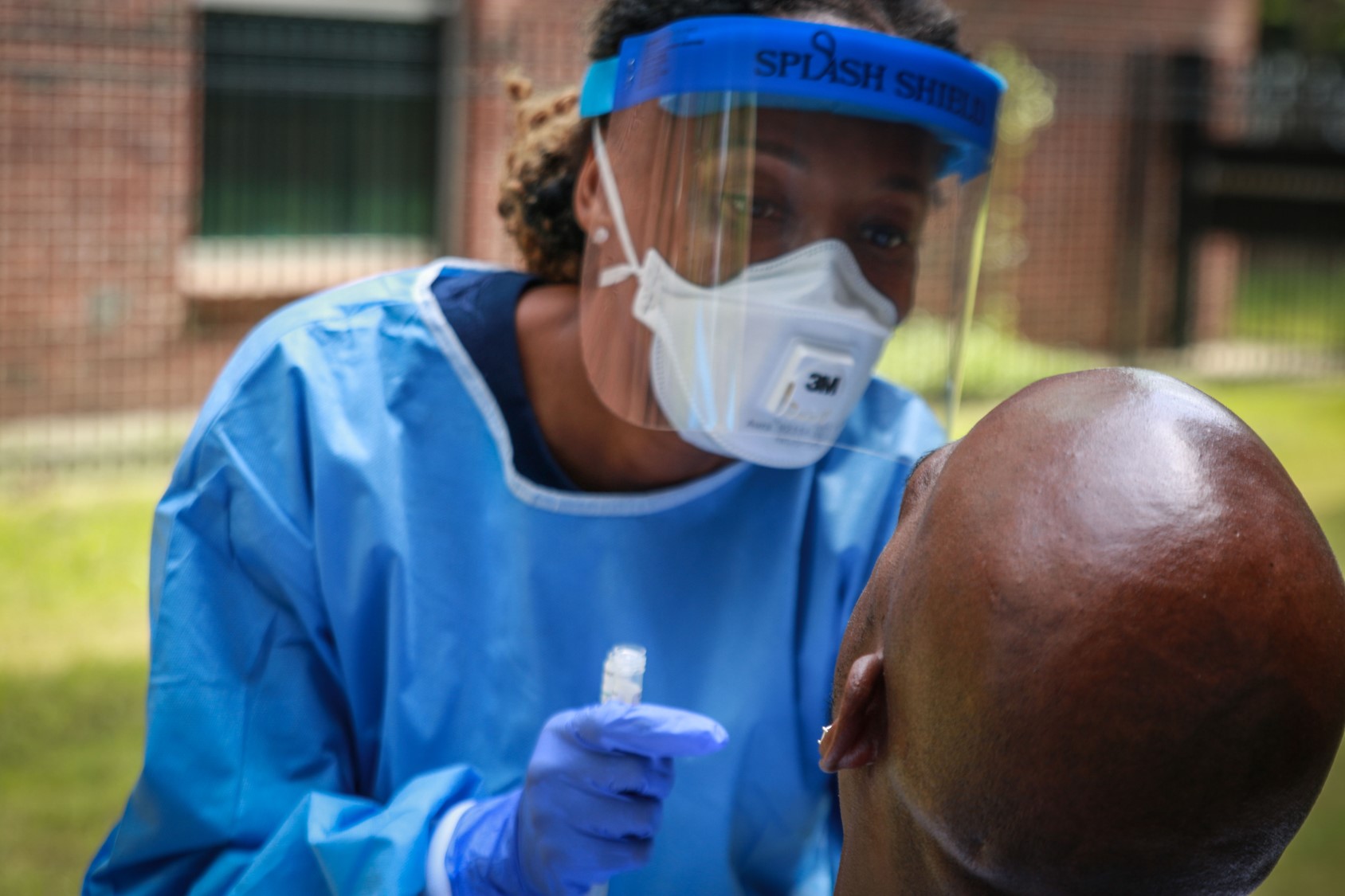
COVID-19 has changed the way we live, work and connect with each other. We see these changes in the unprecedented volatility of the U.S. stock market, rising unemployment, and surging demand for social services and financial assistance. What began as a health crisis has turned into a full-blown economic crisis and many in our region are being negatively impacted during these uncertain times.
The Community Foundation for Greater Atlanta and the United Way of Greater Atlanta established the Greater Atlanta COVID-19 Response and Recovery Fund to quickly receive and direct donations to meet the most pressing needs facing residents in our region. To date, nearly $12 million from the COVID-19 Fund has been mobilized to benefit 75 nonprofits. Read the latest press release about grants from the Fund here.
Your region needs your help now!
The Community Foundation was built as a partner to help you make a difference in situations just like this. What can you do?
- Give today! Support the Greater Atlanta COVID-19 Response and Recovery Fund, a collaborative effort of the Community Foundation and the United Way. The focus is on organizations working with the most vulnerable in our region, including those who find themselves suddenly unemployed, families who have to work, creating desperation for childcare, families that have lost access to school food programs, the uninsured and seniors facing isolation with no access to meals. For instructions on how to give, click here.
- Support nonprofits directly –
- For a list of key nonprofits, we encourage you to view the list of current COVID-19 grantees on our website here or contact your philanthropic officer for a personalized discussion.
- We will be rolling out a donor grant program called Vital Match, which gives you unprecedented access to dockets of tangible nonprofit needs related to COVID-19. Stay tuned for more – Vital Match will hit DonorCentral on May 6.
- Give to the support services of your local faith community. Many of these provide vital services to communities like mental health services and food programs.
- Buy a subscription, membership or gift certificate to your favorite arts and culture organization.
- Un-restrict your gifts. Consider removing restrictions on grants you may have previously made to a nonprofit so they can use it in the most urgently needed ways now.
- Advocate on behalf of nonprofits. We frequently share information on our blog about how you can help to advocate for this vital sector, such as the recent federal aid package.
- Share your story by talking with a journalist, writing a blog, connecting with another donor to help a nonprofit collaboratively. Reach out to your philanthropic officer for more ideas.
The needs
Now that we are several weeks into the pandemic, we can begin to see trends in how the needs have been emerging. We realized, too, that these trends are a parallel to the work you, our donors, have spent your philanthropic passions connecting and working to support. These are the major seven areas that we have observed with the COVID-19 Fund:
Childcare
Along with schools, many childcare facilities have closed, causing an acute need by front-line health care professionals, first responders and those now forced to return to work who require safe and healthy childcare for their children.
Education
School closings have shifted the delivery of education from classrooms to homes, requiring access to laptops, tablets, or other mobile devices, online connectivity, and the technical assistance to engage in online education. For students unable to stay engaged in their education due to virtual learning are facing a five to six-month learning loss – a gap that will then be carried into the next school year.
Emergency Funds for Individuals and Families
The immediate loss of income for thousands of individuals and families in the hospitality, service, and gig economy has depleted or eliminated any savings or financial reserves for emergency needs.
Food Security
Shelter-in-place, for those privileged enough to do it, has disrupted the system of food access for hundreds of thousands of individuals and families: eliminating school food programs for children and their families, limiting access to food by seniors and homeless population, reducing or eliminating wages for many low-income residents. Many food banks and senior meal delivery services are experiencing 50% to 300% increases in demand.
Healthcare and Mental Health
The health clinic safety net has experienced significant reduction in revenues (school-based health clinics have closed), loss of fundraising and increased costs associated with requirements for personal protection equipment and the shift to telehealth, resulting in reduced access to health care for uninsured individuals and rural populations. The COVID-19 pandemic has created stress and trauma for many residents, and the disruption in healthcare delivery has also reduced access to mental health services by patients who were currently receiving treatment and therapy.
Housing and Homeless Services
The immediate loss of income for thousands of individuals and families has resulted in increased housing instability increasing the demand for temporary and supportive housing and rent and utility payments. While the Coronavirus Aid, Relief and Economic Security Act (CARES Act) provides a range of temporary eviction protections to tenants who live in federally assisted properties or multifamily properties with federally backed mortgages, tenants who do not live in such properties do not have access to the same protection.
Small Business Support
More than half of jobs are provided by small businesses and low-income residents are disproportionately affected by the widespread closure of small businesses. The average small business has two to three weeks of cash flow available – for these businesses, shutting down operations for a short period increases the risk of closing permanently.
In addition to our work with the COVID-19 Fund, the Community Foundation has pivoted the Metropolitan Atlanta Arts Fund and A Place to Perform program to provide relief to hard-hit arts organizations.
Categories
- Arts, Culture and Creative Enterprises12
- Book Club26
- Community110
- COVID-1934
- Donor Stories54
- Events30
- Great Grant Stories64
- Higher Ground168
- Housing and Neighborhoods28
- Impact Investing34
- Income and Wealth17
- Media22
- News161
- Nonprofits31
- Philanthropic Resources177
- Place-focused7
- Power and Leadership9
- Press Releases100
- Publications87
- TogetherATL26
- Uncategorized426