May 20, 2021
/
By Semira Ajani, program director at HABESHA, Inc.
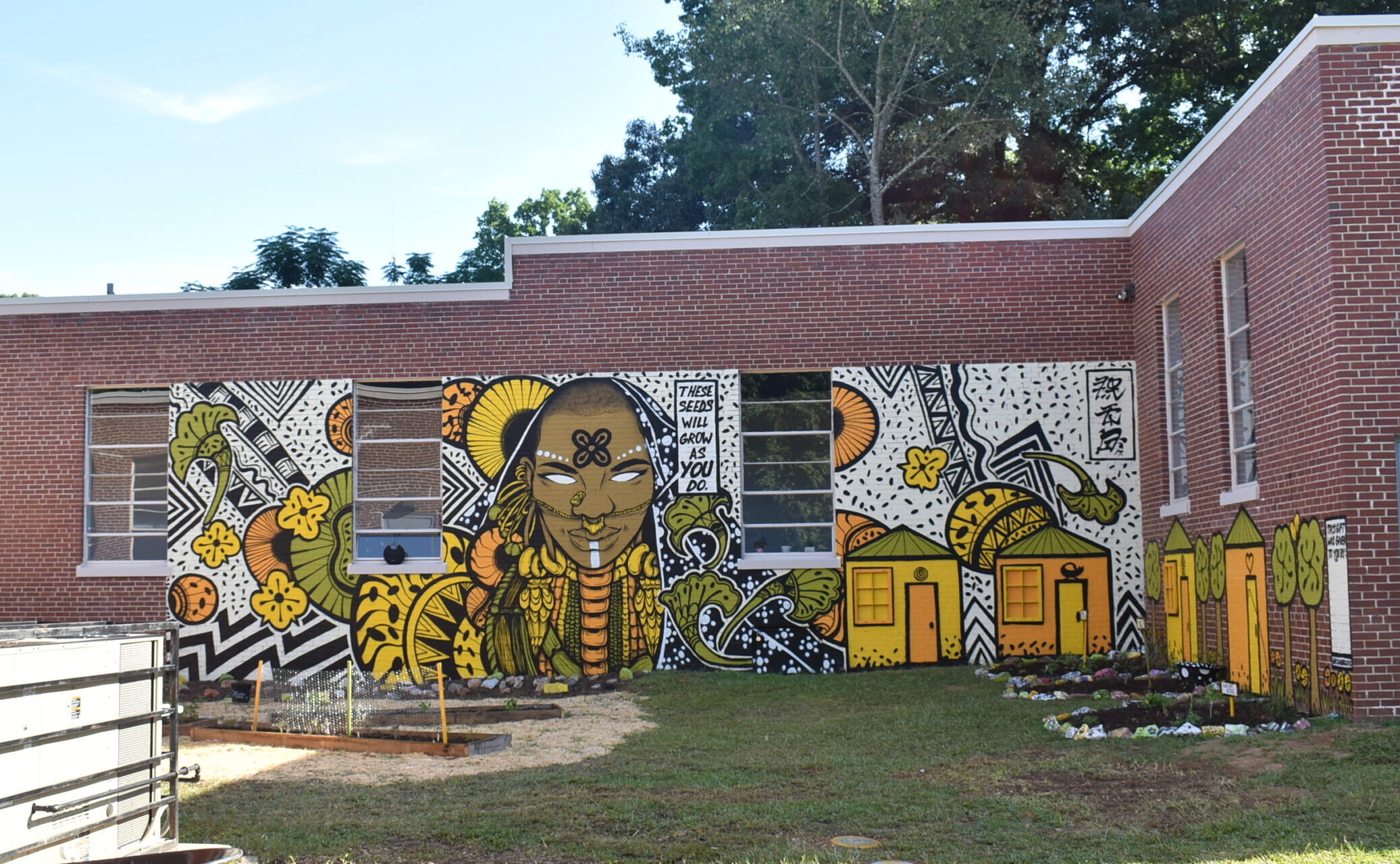
It was about 10 years ago when HABESHA, Inc. took on the role of providing workforce development programming. At this time, the organization experienced a growing demand from the community as well as partners to develop a green jobs training model and, as a result, HABESHA’s leadership quickly began to see a greater vision around building a sustainable model for community development. This involved creating a strategy centered on food security in underserved neighborhoods that would build the capacity of residents to become producers of their own food.
Having seen HABESHA working in the NPU-V community, the Annie E. Casey Foundation approached the executive director with an opportunity to engage its participants in a pilot program intended to expand workforce opportunities for residents to access job opportunities in the emerging green workforce industry. The outgrowth of this initiative led to launching a campaign, referred to as the Urban Agriculture Network (UAN). There were three primary objectives established around UAN, which included:
- Developing a network of experts in the agriculture industry to partner with in order to provide fundamental knowledge and skills training to participants.
- Building a cadre of trained residents that were prepared to participate in emerging job opportunities in the urban agriculture field; and
- Supporting the continued development of participants to play an active role in producing a high-quality food source in underserved communities.
Thus, the HABESHA Works training initiative was born. The program, which is currently in its tenth year, is a 14-week intensive hands-on training opportunity that immerses residents in developing fundamental skills in sustainable agriculture. The success of this work has led to certifying over 150 low to moderate-income residents from around metro-Atlanta. But more importantly, these efforts have led HABESHA to increase its program capacity in a number of ways which includes:
Providing Access to Career Opportunities: Through ongoing relationships with partners, the organization has built a pipeline to job opportunities, which has resulted in nearly 40% of our participants securing employment working at local farms and/or agriculture-based organizations supporting local farming initiatives.
Continuing Training in Entrepreneurship and Business Development: HABESHA has created ongoing training for graduates to access business development specifically focused on farming and value added product development. This includes six-months of engagement, resulting in participants developing business plans centered on farm management and agricultural product development. As a result, participants become better equipped as entrepreneurs in the field.
Supporting Collaborative Spaces for Networking: HABESHA maintains contact with program participants through an alumni network designed to share resources as well as opportunities to collaborate around cooperative models. To this end, alumni engage in communal work days at local farms and community gardens and share resources that assist in developing distribution models that support collaboration around accessing markets.
Expanding the HABESHA Works Training Model: Because of the success of the HABESHA Works program, the organization was approached by the Nature Conversancy in 2017 to develop a program that would train residents in the broader field of environmental conservation, thus creating the Urban Green Jobs (UGJ) initiative. The program, in its fourth year, is designed to provide residents with training in green infrastructure management and conservation and utilizes partnerships with industry professionals to build a pipeline for minorities to participate and access job opportunities in these fields. To date, UGJ has graduated more than 50 participants and has experienced success with several graduates obtaining employment with partners.
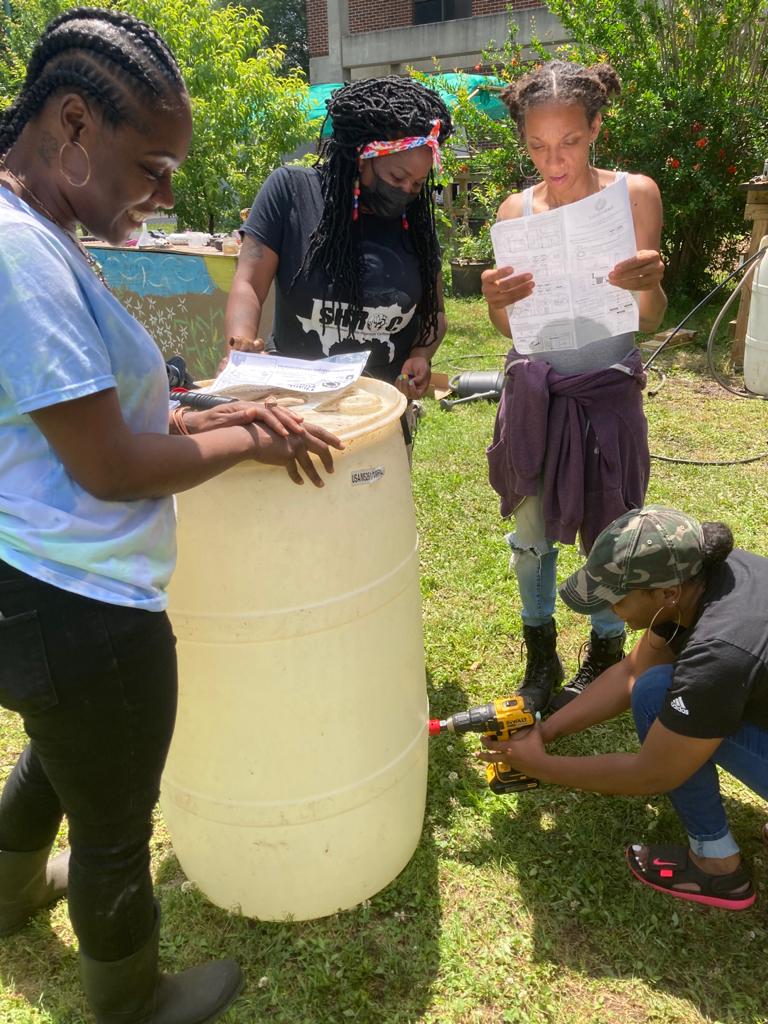
HABESHA Works lab session 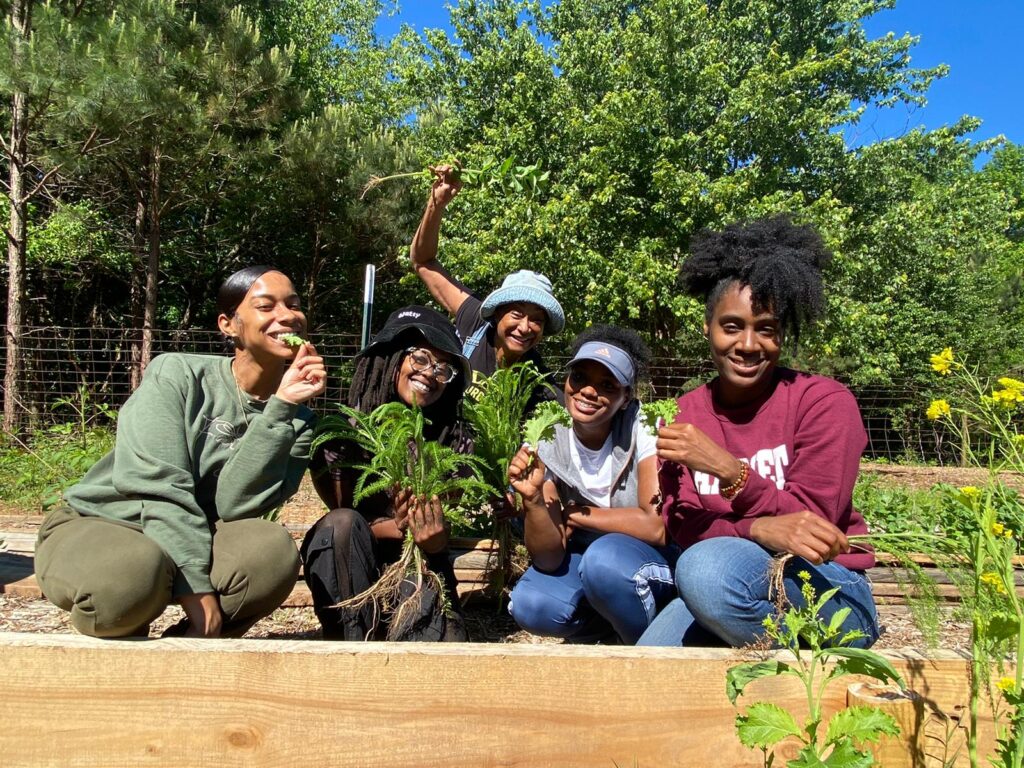
HABESHA Works students 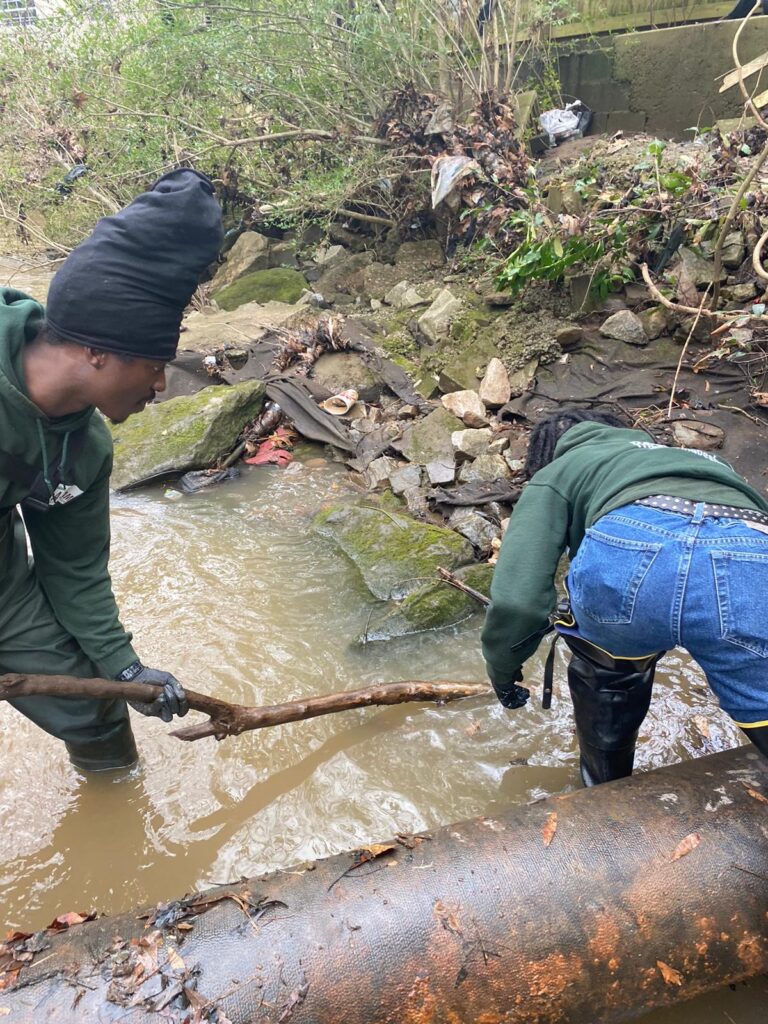
UGJ stream cleanup
It is important to mention that the outcomes of the work are not predicated on simple actions to increase workforce opportunities for minorities. Rather, the notion of community is paramount and central to achieving these milestones. Undergirding each and every training opportunity is a set of principles that emphasize the important role that we all serve in shaping and participating in the development and revitalization of the spaces we call home. Our approach doesn’t just offer residents a means to obtaining greater employability. We’ve designed a model that also instills leadership that inspires our participants to utilize their training to not only access economic stability but participate in their community in a socially responsible way. At the root of the approach is the concepts of self-determination and collective work and responsibility. We see this as a means to ending disparities present in minority communities and, in this way, our training opportunities also serve as a call to action. Thus, participants become empowered to realize the important role they play as individuals in revitalizing their communities, which offers a sense of purpose. As such, these defining elements are what distinguish our programming as unique and meaningful.
Categories
- Arts, Culture and Creative Enterprises12
- Book Club26
- Community110
- COVID-1934
- Donor Stories54
- Events30
- Great Grant Stories64
- Higher Ground168
- Housing and Neighborhoods28
- Impact Investing34
- Income and Wealth17
- Media22
- News161
- Nonprofits31
- Philanthropic Resources177
- Place-focused7
- Power and Leadership9
- Press Releases100
- Publications87
- TogetherATL26
- Uncategorized426