
September 26, 2024
/
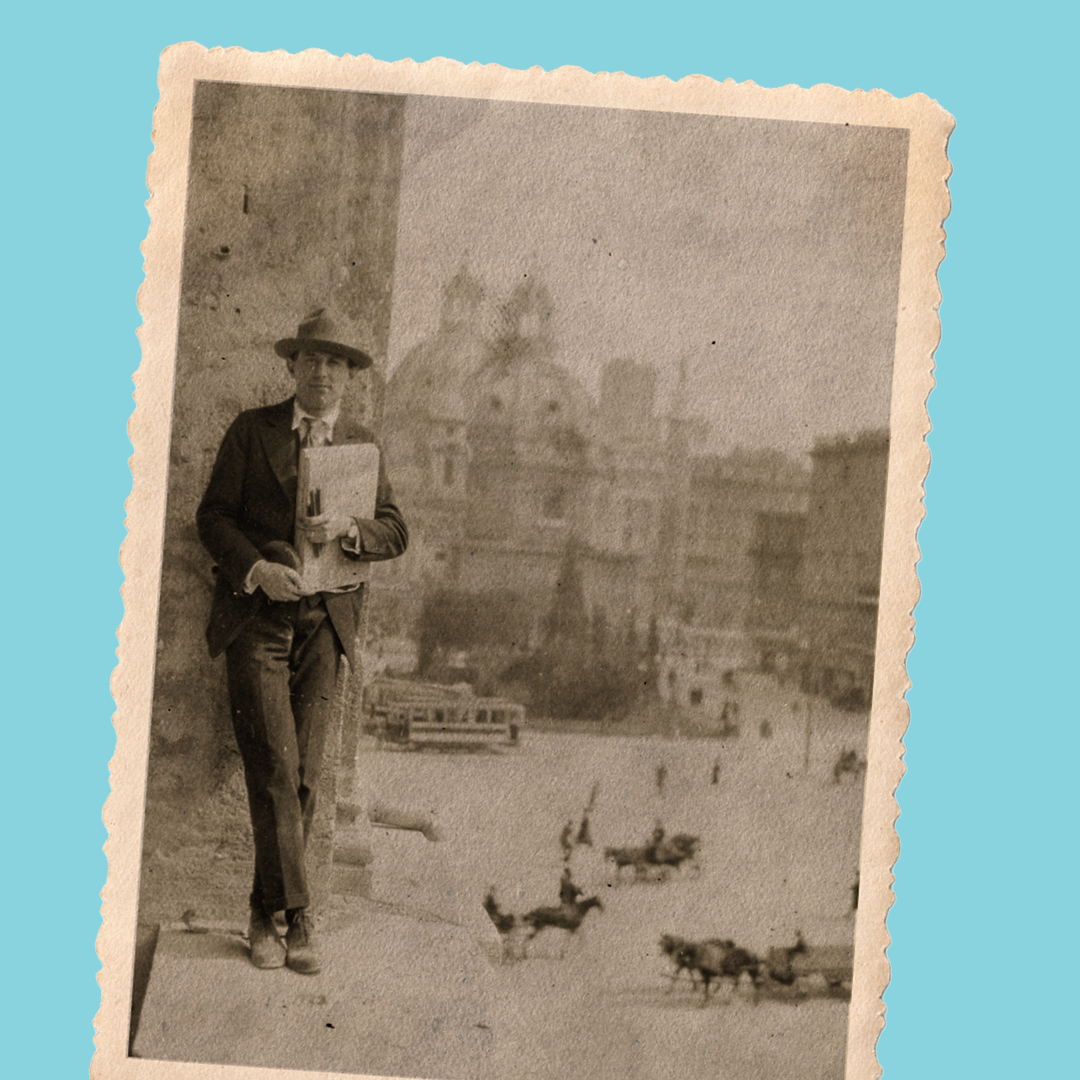
Philip Trammell Shutze’s final wishes included entrusting the Atlanta History Center and the Community Foundation for Greater Atlanta with a planned gift to maintain and display his vast and eclectic collection in the Swan House.
The late architect Philip Trammell Shutze surely left his mark on Atlanta.
Or, more accurately, all around Atlanta.
You need only travel a few blocks to be in the presence of the acclaimed architect’s lasting contributions to Atlanta’s cityscape. From the Academy of Medicine to Midtown High School, from East Lake Golf Club to the Temple, Shutze’s vision is omnipresent.
Swan House is a classical estate and garden completed in 1928 for Emily and Edward Inman. The house is listed on the National Register of Historic Places and endures as one of his most acclaimed works. (And for Hunger Games movie fans, yes – it’s that house).
The architect himself viewed Swan House high among his crowning achievements, and in part through his visionary foresight, it will forever remain one of his most enduring.
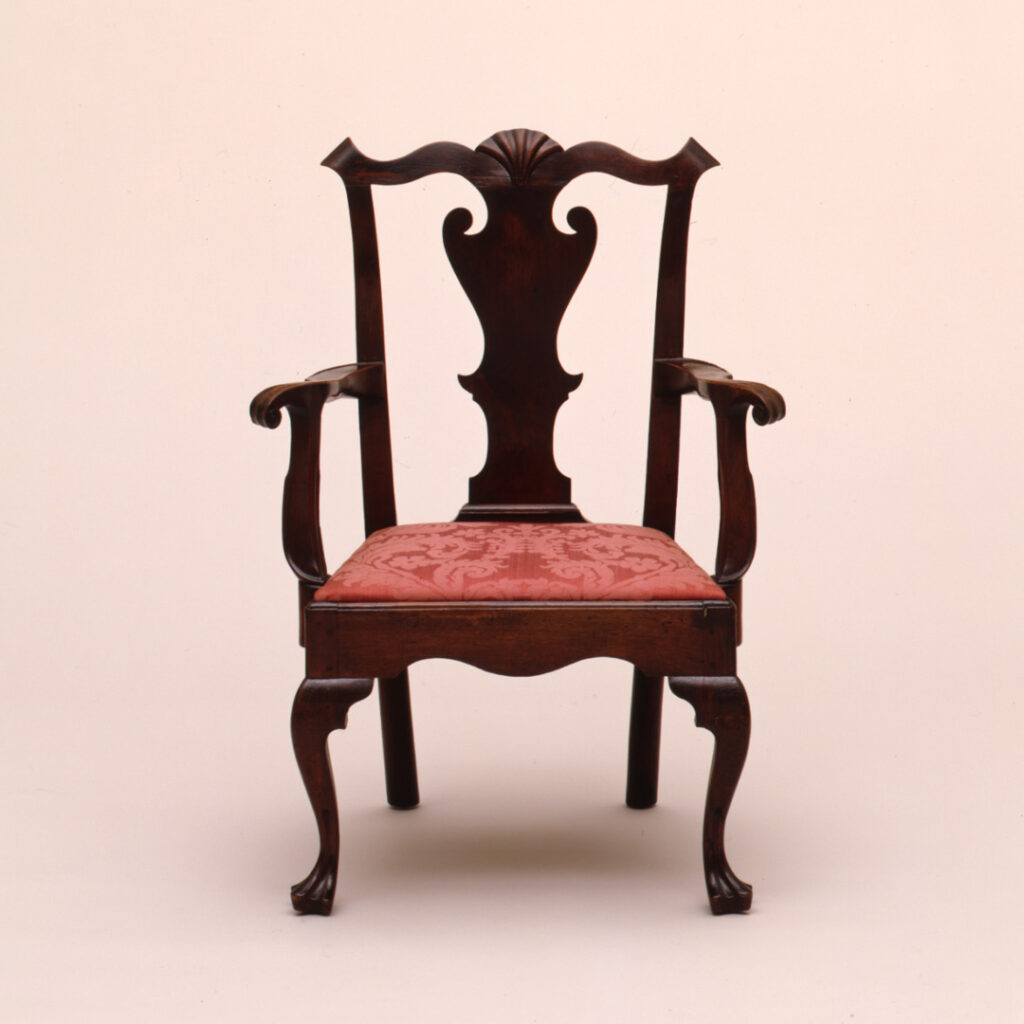
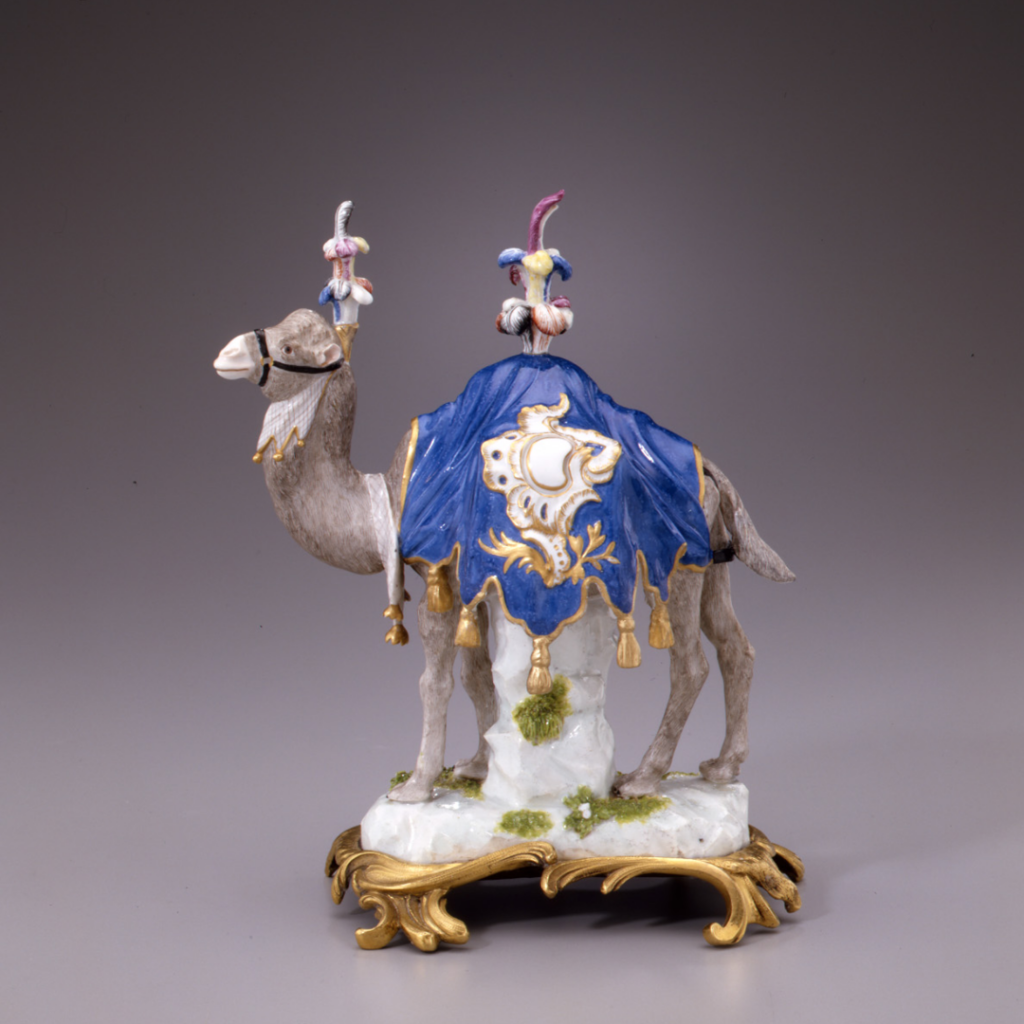
Before his death in 1982, Shutze crafted his will to include a planned gift partnership with the Atlanta History Center and the Community Foundation to assure his legacy would carry on for generations to come. He bequeathed his vast and eclectic collection of art, ceramics, furniture, rugs and textiles to be permanently displayed in Swan House. The two organizations dovetail to ensure Shutze’s wishes are faithfully honored.
“He bequeathed the collection to the Atlanta History Center to provide preservation, but also access,” said Michael Rose, the Center’s curator of decorative arts and special collections. “He wanted people to see the collection and for students and scholars, academics to study it as well. It’s really an outstanding gift. The History Center has nothing else like it.”
During his post-retirement years, Shutze had assembled the collection with the intention that it would fill a home he envisioned designing and building for himself.
It’s a dream he never realized, but his intention likely helps explain how Shutze managed to assemble the collection during a short and frenzied stretch from 1949 to 1953. His efficiency in doing so – without the benefit of Google, online auctions and next-day Amazon deliveries — is stunning.
In five years, he acquired most of his collection of 1,000 pieces of ceramics, more than 100 pieces of furniture, as well as a considerable collection of decorative arts, silver, artwork, rugs and
textiles.
“The greatest thing about this gift to us,” added Tim Bresnahan, vice president of philanthropy at the Community Foundation, “is that just as meticulously as Mr. Shutze designed architecture to serve its constituents, he designed his will to leave a lasting legacy for impact on our region, if not on our nation. He demonstrates the true power of a planned gift.”
Learn more about Mr. Schutze’s collection here and learn more about planned giving at the Community Foundation here.
Categories
- Arts, Culture and Creative Enterprises12
- Book Club26
- Community110
- COVID-1934
- Donor Stories54
- Events30
- Great Grant Stories64
- Higher Ground168
- Housing and Neighborhoods28
- Impact Investing34
- Income and Wealth17
- Media22
- News161
- Nonprofits31
- Philanthropic Resources177
- Place-focused7
- Power and Leadership9
- Press Releases100
- Publications87
- TogetherATL26
- Uncategorized426