February 21, 2020
/
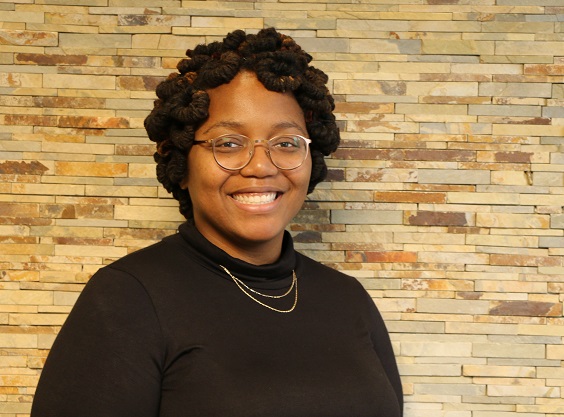
By Courtney Carmichael, fellow associate
It happened. It actually happened and it kept happening. Numerous people touching my hair without my consent while at work. The inner conflict and frustration couldn’t be seen by others but was felt only within myself.
Depending on your cultural background, this may or may not seem like a big deal. However, to many people, this is frustrating and demonstrates the need for cultural competency to recognize if something you say or do will come off as inappropriate or disrespectful.
What does cultural competency mean to you? It could involve understanding, awareness and learning: understand that people come from different cultural backgrounds; be aware that each of these cultures function differently; learn how to maneuver in these spaces effectively and respectfully. The CDC defines cultural competency as “the integration and transformation of knowledge about individuals and groups of people into specific standards, policies, practices, and attitudes used in appropriate cultural settings to increase the quality of services; thereby producing better outcomes.”
Nonprofit staff and leadership often do not reflect the ethnic and cultural backgrounds of the people they serve, which makes cultural competency at all levels of the organization critical for meeting the needs of clients, employees and partners.
As an example, HOPE Atlanta has taken the steps in making their organization culturally competent by creating and implementing a Culture Competency Plan. HOPE Atlanta is a social service organization that provides support and services to low-income families and the homeless community in Atlanta. After hearing the ideas and insight from their employees, leadership at HOPE Atlanta decided to listen and take action. Acknowledging the benefits and challenges that come with implementing a plan like this, HOPE Atlanta is accepting the challenge and needed change. The leadership and staff are working together to set and achieve goals, along with assessing their progress and how to improve. With creating this plan, HOPE Atlanta is rethinking the “why and how” of its business.
Jeff Smythe, Executive Director of HOPE Atlanta, recounts a beautiful story of change during a Pronouns Training that was hosted. During this training, people learned about gender identity and how to show dignity to people through the words they use. Jeff mentioned that “even though someone is marginalized, they could lack awareness of their own marginalization towards others” and this was evident when there was opposition to this training by some participants in their veterans’ program. However, those who pushed back stayed in the training, became more open and receptive to the topic of gender identity and wanted to continue to learn and grow in this area. What a hopeful picture of change!
Now, this change “won’t be a checking off the box of things to do,” said Jeff, but will be a journey, ever-changing for the better. With this holistic approach, they want to do more than just provide a service to help someone with a need. They want to see and serve the whole person.
Understanding the impact of your actions, whether it be touching someone’s hair or knowing how to address someone properly, is vital to maximizing organizational impact. For more on this subject, check out this GuideStar blog article, this article from Forbes Nonprofit Council and this Nonprofit Quarterly article.
Categories
- Arts, Culture and Creative Enterprises12
- Book Club26
- Community110
- COVID-1934
- Donor Stories57
- Events32
- Great Grant Stories65
- Higher Ground169
- Housing and Neighborhoods29
- Impact Investing37
- Income and Wealth19
- Media22
- News161
- Nonprofits33
- Philanthropic Resources181
- Place-focused8
- Power and Leadership9
- Press Releases100
- Publications87
- TogetherATL26
- Uncategorized426