May 21, 2021
/
Tonya Malone, executive director of Camp Horizon
There are approximately 13,793 youth in Georgia in foster care. The data for youth over 14 is relatively dismal: 24% have access to employment programs; 6% receive education assistance; 7% have room and board assistance; 54% successfully obtained full or part-time employment; 64% have obtained stable housing; 33% become young parents; and 64% received a diploma or GED (courtesy of: www.aecf.org and https://datacenter.kidscount.org).
With May being National Foster Care Awareness Month, it is a good time for us to bring attention to the needs and challenges of youth who have experienced foster care and ways we all can support them. Often, youth in the foster care system have lived through multiple traumas and disruptive events by the time they begin their transition to adulthood. This can include abuse and/or neglect, multiple foster home placements, lack of continuity in education, and an array of losses of relationships (e.g., friends, family, and/or siblings). Their life experiences can create additional problems resulting in homelessness, a lack of confidence, mental illness, substance abuse problems and unemployment. These challenges impact the emotional and social development of foster care youth as they transition into adulthood.
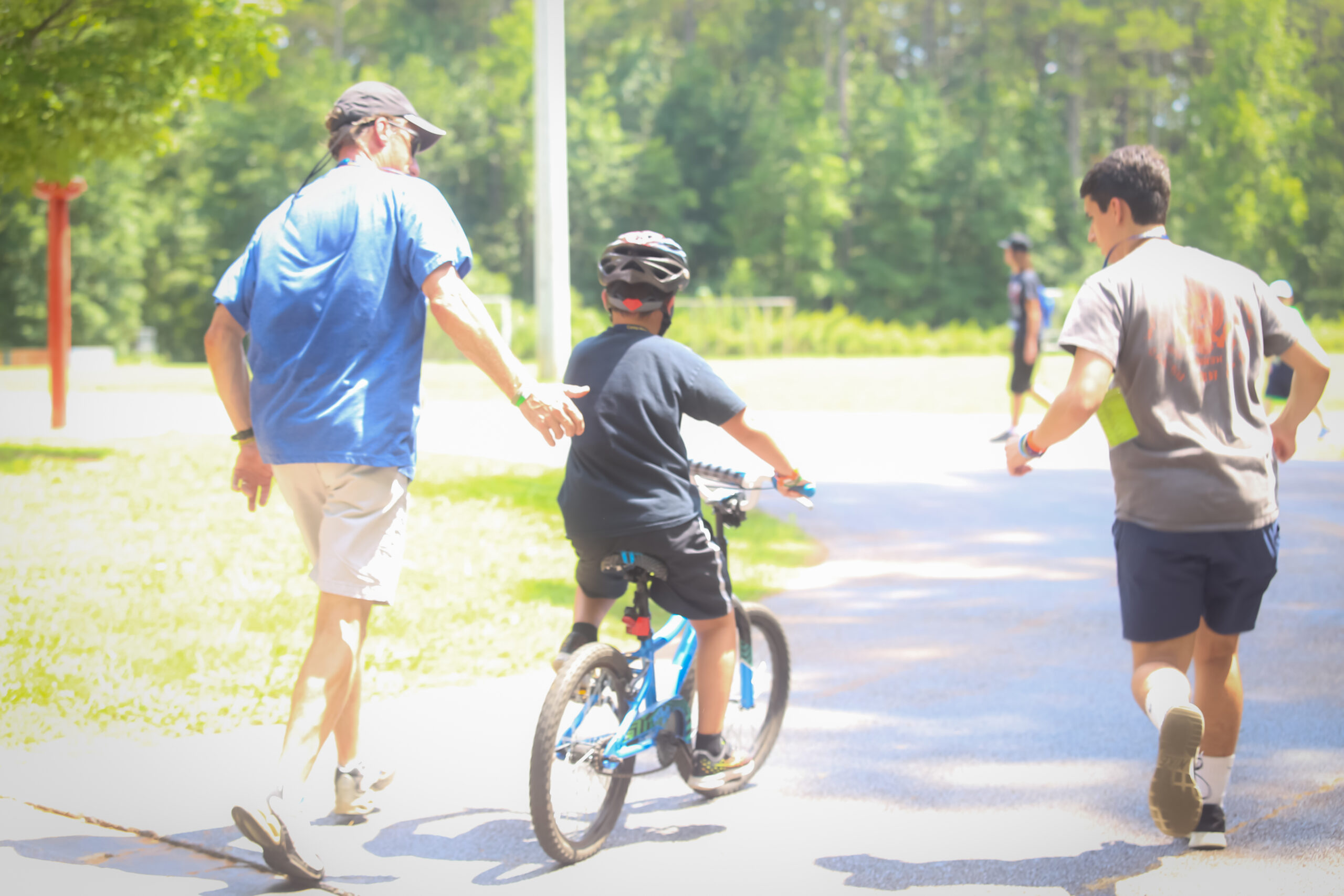
Camp Horizon was started in 1982 with the purpose to provide foster youth a supportive and caring environment while giving them the invaluable opportunity to participate in a sleepaway camp. Our program works with eight to 24 year-olds and is dedicated to preparing our youth with the skills and relationships they will need to manage the process of aging out of foster care. Overcoming the effects of childhood abuse and/or neglect is a life-long process, but Camp Horizon’s one-to-one mentor matching program, intentional life skills lessons, loyal volunteers and family-like environment, help our campers by addressing the challenges and allowing them to consistently beat the dismal odds.
Youth who are transitioning to adulthood need to have well-developed self-esteem and self-efficacy skills that equip them to manage relationships in multiple contexts, including education and employment settings, as well as with friends and family members. As research highlights, the importance of positive, supportive relationships will improve a foster youth’s trajectory. Ideally, foster youth should have connections to caring adults who can provide support, including helping them access necessary resources and services. Connections to non-parental adults through informal mentoring are reported to enhance the outcomes of foster care youth in education/employment, psychological well-being, and physical health. Youth who had the support of a mentor also demonstrated a decreased participation in unhealthy behaviors, such as unprotected sexual activity, alcohol and substance abuse and delinquent activities.
Utilizing research and an overall understanding of the importance of a consistent supportive adult in a foster youth’s life, Camp Horizon developed our program to build this relationship to identify additional resources and ways to support the child as they navigate life. This support inevitably helps by reducing the number of foster care placement changes, increasing positive behavior, supporting the youth as they exit care, as well as increasing academic achievement. Camp Horizon strives to mitigate the challenges our youth face and change the trajectory of their lives. Many of our youth report feeling supported and loved, better able to handle emotions, and received the appropriate skills needed to be successful as an adult.


Bringing awareness to the issue and challenges of foster youth is incredibly important. It can help find these children homes, but also make their situations more bearable. By helping bring awareness to this issue, you can play a role in bringing happiness into a child’s life. This year’s Foster Care Awareness campaign focuses on how the foster care system should be actively centered on strengthening families, how child welfare and legal professionals can work collaboratively to engage youth and their families in court hearings and permanency planning, and the benefits of helping young people establish and maintain meaningful connections during this process. During this month, you can help bring awareness to the needs of foster youth and learn how to build meaningful connections for youth in care.
Ways you can support:
- Volunteer with an organization serving foster youth or become a Court Appointed Special Advocate (CASA)
- Donate to an organization serving foster youth
- Share and educate your friends and family about the information about the needs and challenges of foster care youth
- Foster a child
- Adopt a child
To learn more about Camp Horizon and ways you can support or volunteer, please visit us at www.camphorizon.net or contact Tonya Malone at tonya.malone@camphorizon.net.
Categories
- Arts, Culture and Creative Enterprises14
- Book Club26
- Community110
- COVID-1934
- Donor Stories57
- Events32
- Great Grant Stories65
- Higher Ground169
- Housing and Neighborhoods30
- Impact Investing40
- Income and Wealth20
- Media22
- News163
- Nonprofits42
- Philanthropic Resources184
- Place-focused8
- Power and Leadership9
- Press Releases100
- Publications87
- TogetherATL27
- Uncategorized426