June 16, 2021
/
The LGBTQ+ community is visible in more ways than ever before, and yet there is still so much left to be understood and accepted. To help contribute to further change and progress, Pride Month is a great time to learn about or remind ourselves about the community’s past and what it means today.
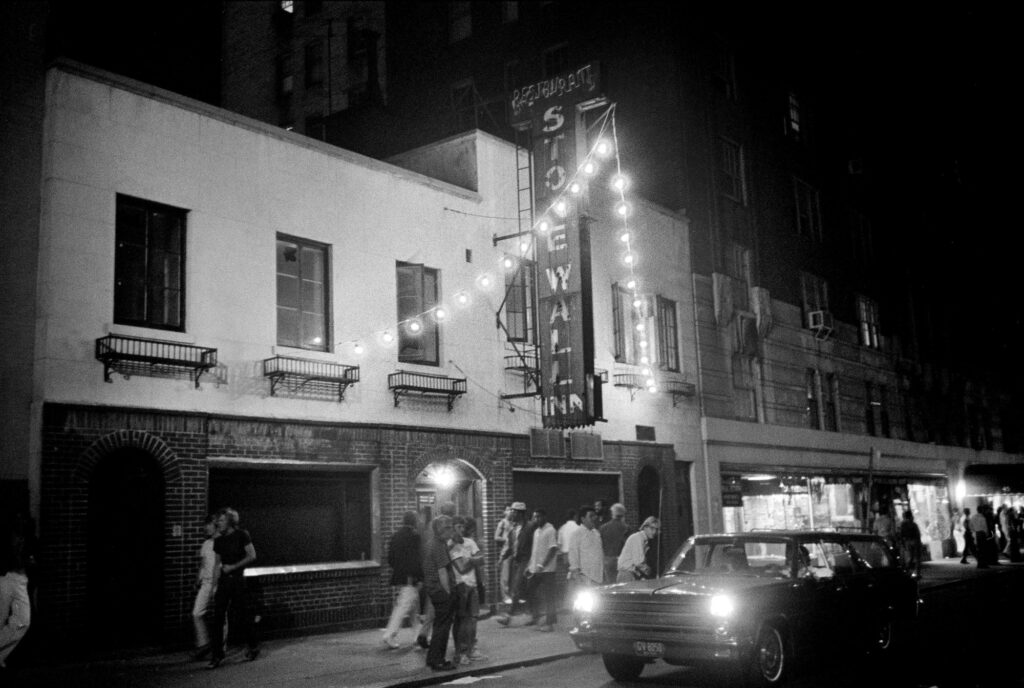
In June of 1969, patrons and supporters of the Stonewall Inn in New York City staged an uprising to resist the police harassment and persecution that LGBT Americans were commonly subjected to. The uprising marked an important advancement of a movement to outlaw discriminatory laws and practices against LGBT Americans. In 2016, the area around the Stonewall Inn, still a popular nightspot today, was designated a national monument. Today, despite a rise of social acceptance in many parts of the world, it has become a symbol of the continued fight and determination of the LGBTQ+ community to assert their rights and equality. Even though Pride today celebrates the progress that has been made, there is still a lot of work to be done. Hate crimes, systematic abuse and discrimination are still reported every day against LGBTQ+ people.
The purpose of the commemorative month is to recognize the impact that LGBTQ+ individuals have had on history locally and nationally. Originally the movement was a political act in a time when tolerance still wasn’t the norm. Later with little wins and milestones, annual celebrations started spreading across the country. Today, celebrations include Pride parades, picnics, parties, workshops, symposia and concerts, and events that attract millions of participants around the world. Memorials are also held to remember and honor those members of the community who have been lost to hate crimes or to HIV/AIDS.
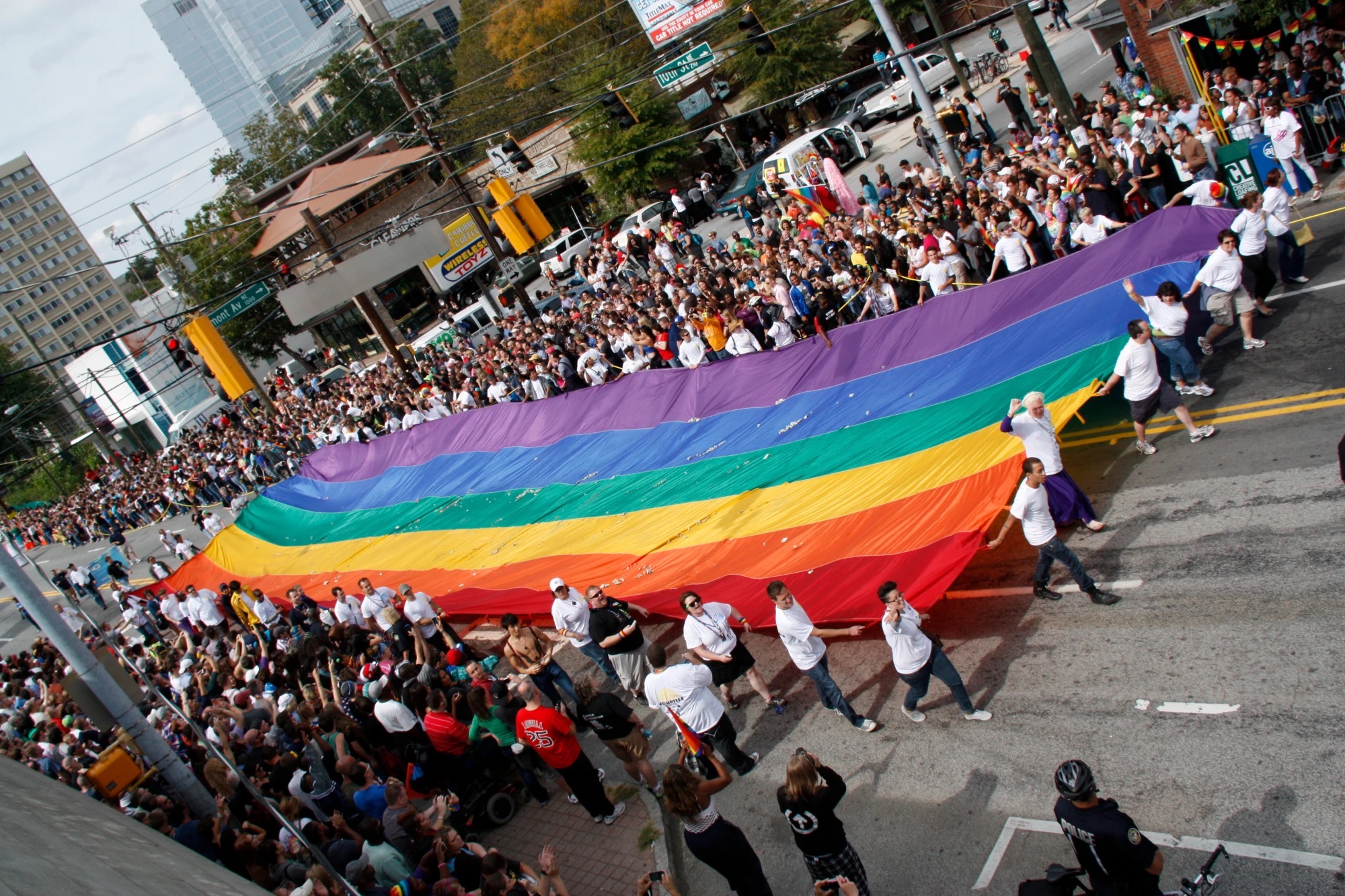
A widely recognizable symbol of LGBTQ+ support is the rainbow flag. Harvey Milk, the first openly gay elected official in the U.S., tasked artist/activist Gilbert Baker with creating a symbol for the gay community to use in place of the pink triangle, which Nazi Germany forced presumed gay men to wear in concentration camps. Watch a short video about the origins of the original Pride flag here. There are now many flags to show support, including a flag for allies. Support can even be shown with a Pride zoom/Teams background.
In a lot of ways, Pride is not just a celebration but also stands especially important for people who aren’t out yet. There are still many countries in the world (and communities in our own country/state/city) that have not accepted the LGBTQ+ community, and the Pride movement is a visible symbol of a community of support.
Photo credit: Atlanta Pride Parade (Courtesy of Atlanta Pride Committee)
Categories
- Arts, Culture and Creative Enterprises14
- Book Club26
- Community110
- COVID-1934
- Donor Stories57
- Events32
- Great Grant Stories65
- Higher Ground169
- Housing and Neighborhoods30
- Impact Investing40
- Income and Wealth20
- Media22
- News163
- Nonprofits42
- Philanthropic Resources184
- Place-focused8
- Power and Leadership9
- Press Releases100
- Publications87
- TogetherATL27
- Uncategorized426