September 25, 2024
/
A focus on personal accounts, factual presentations and clearer context has made Atlanta History Center more inclusive – and more inviting.
History can be complicated – particularly at a time when America’s past is increasingly being dragged into the politically-charged present.
Yet Atlanta History Center keeps it simple: Present facts, information and stories as fully and accurately as possible so visitors and viewers can gain better understanding and clearer context to draw their own conclusions about Atlanta’s history.
That approach has helped the History Center evolve into one of the premier chroniclers of any major American city’s ongoing evolution, featuring exhibits, experiences and insights that offer something for anyone – while also providing a robust accounting of Atlanta’s history for everyone – locals and visitors alike.
Key to the History Center staying true to its mission has been its enduring commitment to gathering and sharing a wide range of personal stories from Atlanta’s ancestors from all walks of life and backgrounds.
Collectively, these accounts stitch together the broader story of how Atlanta has evolved from a small settlement at the end of the Western & Atlantic railroad line in 1837 into one of the world’s most vibrant, thriving and multi-culturally complex cities.
“Interpretation of history in the current setting, can be fraught with confrontation,” said Michael Rose, the History Center’s curator of decorative arts and special collections. “And so how do you navigate that? How do you make it more approachable? It is through telling these personal stories and also providing context – what influences and experiences caused people to think the way they thought?”
Today’s Atlanta History Center was born out of the Atlanta Historical Society, which was founded in 1926 to preserve and study Atlanta history.
In 1990, after decades of collecting, researching and publishing information about Atlanta and the surrounding area, the organization officially became Atlanta History Center.
What began as a small, archive-focused historical society has grown over the decades to encompass 33 acres of meticulously curated Goizueta Gardens, four historic houses, diverse programming and a variety of exhibitions within the Atlanta History Museum.
Shortly after joining the Community Foundation earlier this year as the new vice president of philanthropy, Tim Bresnahan joined colleagues to see NPR’s Michele Norris, author of Our Hidden Conversations: What Americans Really Think About Race and Identity, speak as part of the History Center’s Author Talks series. Bresnahan left the event with a clear grasp of why the History Center is such a treasured local asset.
“It was such a great way to be introduced to the Atlanta History Center,” said Bresnahan. “I quickly understood why the Community Foundation and many of its donors have long provided financial support for the center, recognizing the unique role it plays in preserving and promoting Atlanta’s history while educating, engaging and entertaining thousands every year.”
In more recent years, the History Center’s Board of Trustees developed a strategic plan from which emerged a primary goal: To tell a larger story for all Atlantans.
That, of course, meant focusing on telling the unvarnished history of Atlanta – highlighting major achievements, notable figures, growth and progress as well as the stories of white supremacy, slavery and their impacts – across time and place to today.
“We’ve adopted guiding principles around the way we try to talk to everybody,” said Sheffield Hale, Atlanta History Center President and Community Foundation donor. “We just try to tell the straight-up history in a way they can receive it without jargon, without buzzwords. That opens the possibility for people to be curious, to be surprised to say, ‘hmm I didn’t know that. I want to explore learning more.’”
Context is key: Du Bois and Mitchell
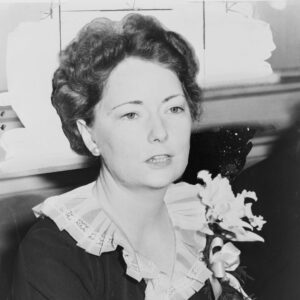
To that end, the History Center has a relentless focus on providing as much context as possible around all that visitors see and hear. A prime example is the Margaret Mitchell House, essentially a small apartment on Peachtree Street in the heart of Midtown where the author wrote Gone With the Wind. The novel is both one of America’s most well-known pieces of literature while also being one of its most problematic due to depictions of racial stereotypes and painful tropes throughout.
From a historical perspective, telling the most comprehensive accounting of Margaret Mitchell and Gone With the Wind requires exploring both the literary merits of the work as well as the blatant racism it contains, Hale said.
“What we’ve tried to do is to show why she believed what she believed that ended up in the book,” Hale said. “Where did that thinking come from?”
That exploration achieves one layer of historical context. But Hale urges people to pan out a bit further – just a few miles down the road, that is.
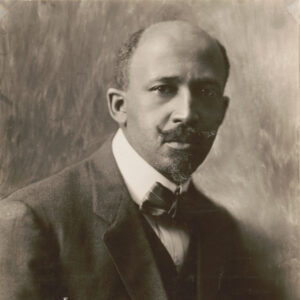
For it is there that – at roughly the same time that Mitchell was penning Gone With the Wind – W.E.B. Du Bois was writing his seminal book, Black Reconstruction.
“Both authors are living about three miles away from each other but, not surprisingly, they never met,” Hale said. “His book comes out in ’35 and hers in ’36. I mean they are roughly in the same neighborhood of one another but having vastly different experiences and products of vastly different environments.”
“Mitchell was a product of everything she heard growing up and believed what most white people in America at the time believed. And not far away there is Du Bois having the experience of a Black man at that time. It’s really fascinating. And maybe from learning all that, it gets you thinking in the context of today’s world: Where am I getting all of my information?”
A new experience with every visit
Pondering such heady thoughts is one possibility that can emerge through a visit to the Atlanta History Center.
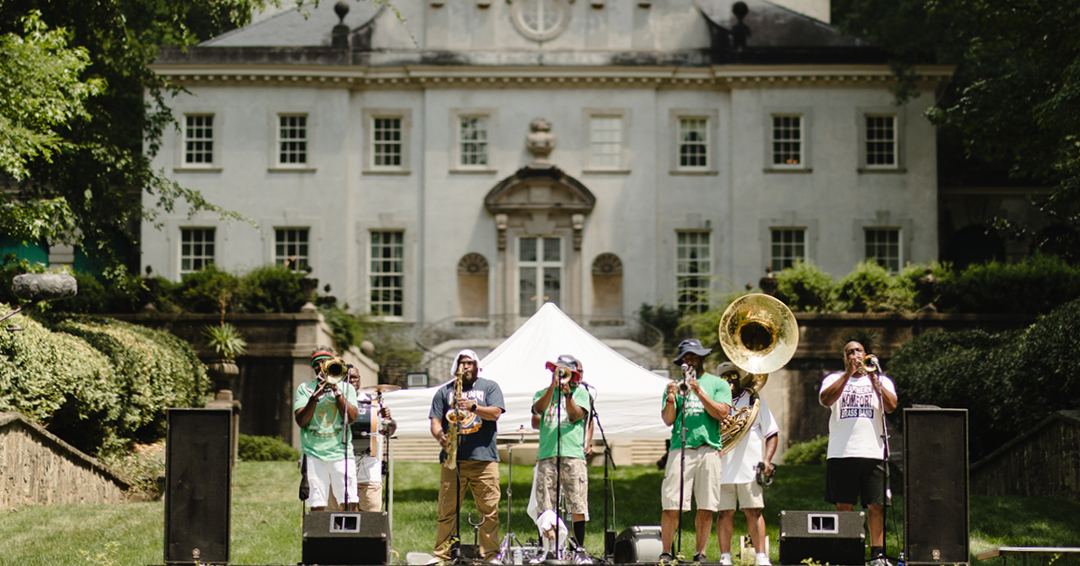
But the beauty of the place is that you can return time and again to immerse yourself in an entirely different experience each visit. Perhaps you’re going to hear poet laureate Natasha Tretheway discuss her memoir, Memorial Drive, or immerse your child in an educational experience at the Smith Family Farm, or maybe it’s soaking in the grandeur of the Swan House that features the vast collection of ceramics, furniture, art and textiles that the home’s architect, Phillip Shutze, bequeathed to the History Center along with a planned financial gift he left through the Community Foundation to fund maintenance of the collection in perpetuity.
And amid all the history, there is also always something new. A steady rotation of temporary exhibits (Current must: More than Brave: the Life of Henry Aaron), a speakers series that periodically includes partnerships with the Community Foundation and always features some of the best and most creative minds from Atlanta and around the country, and field trips to historic Atlanta sites.
One notable highlight is the History Center’s annual Juneteenth celebration, recognized as one of the History Center’s largest annual public programs, serving thousands of guests. The event marks the federal holiday to commemorate the date in 1865 when news of emancipation two years earlier reached those enslaved in Texas.
For the true history buff, committed historians – and plenty of our Community Foundation donors who are interested in exploring family genealogy – there is also a vast archive of historic documents, records, photographs and more that can support research or help fill the gaps in family, neighborhood and community histories.
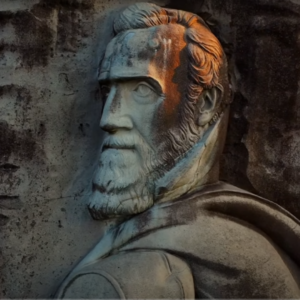
In the quest to expand its reach and create more access for all, the History Center is also expanding its virtual and digital options. Recently, they produced a documentary, Monument: The Untold Story of Stone Mountain. The film explores the controversial history of the mountain-side carving — the largest Confederate monument in the world — through a documentary film and online resources.
For those seeking in-person experiences, the History Center’s message is clear: All are welcome.

Categories
- Arts, Culture and Creative Enterprises12
- Book Club26
- Community110
- COVID-1934
- Donor Stories54
- Events30
- Great Grant Stories64
- Higher Ground168
- Housing and Neighborhoods28
- Impact Investing34
- Income and Wealth17
- Media22
- News161
- Nonprofits31
- Philanthropic Resources177
- Place-focused7
- Power and Leadership9
- Press Releases100
- Publications87
- TogetherATL26
- Uncategorized426